
Getting a healthy dinner on the table takes just about 45 minutes when you make this Spicy Shrimp Coconut Curry Bowls Recipe. It’s the perfect balance of creamy, tangy, and spicy that’ll have you craving it again and again.

Jump to:
Why You'll Love This Recipe
I’ve made this Spicy Shrimp Coconut Curry Bowls Recipe more times than I can count — it’s a family favorite. It’s just so easy to pull together but tastes like you’ve been simmering it for hours.
- Bold flavors: The combination of red curry paste, coconut milk, and a hit of Sriracha creates a sauce that’s rich, spicy, and perfectly tangy.
- Quick and fuss-free: From start to finish, this recipe is a one-pot wonder (plus noodles), making weeknight dinners stress-free.
- Versatile ingredients: Use frozen veggies or fresh, swap in your favorite noodles, and adjust the spice level to suit your taste.
- Wholesome and satisfying: It’s loaded with protein and fiber, so you’ll feel nourished and full without being weighed down.
Ingredients & Why They Work
The ingredients in the Spicy Shrimp Coconut Curry Bowls Recipe come together to create layers of flavor and texture. You’ve got the creamy coconut milk balancing the heat, fresh ginger adding brightness, and the shrimp bringing a tender, juicy protein punch.

- Avocado or olive oil: A neutral-tasting oil that helps soften onion and ginger without overpowering the dish.
- Yellow onion: Adds subtle sweetness and depth once sautéed.
- Fresh ginger: Essential for that warm, inviting aroma — I always keep some frozen and grate it straight into the pan.
- Red curry paste: The spice heart of the dish; I swear by Thai Kitchen brand for authentic flavor.
- Unsweetened coconut milk: The creamy base that tempers the spice while adding richness.
- Sugar (or coconut sugar): Just enough to balance the tang and heat.
- Sriracha sauce: Adds a smoky, spicy kick — start small if you’re heat-sensitive!
- Fish sauce: A salty umami punch that ties everything together; don’t skip it!
- Soy sauce (or alternatives): Boosts savoriness; gluten-free options work beautifully here, too.
- Fresh lime juice: Brightens the curry with citrusy zing, making flavors pop.
- Noodles (ramen, soba, or whole wheat angel hair): Pick what you love or have on hand; this recipe is super flexible.
- Raw shrimp: Peeled and deveined shrimps cook quickly and soak up flavor perfectly.
- Frozen stir-fry vegetables: Such a lifesaver for quick meals—use fresh if you prefer!
- Purple cabbage: Adds crunch and a fresh bite as a vibrant topping.
- Chopped peanuts: For texture and a nutty finish.
- Lime wedges: To squeeze on top, enhancing that fresh citrus twist.
Make It Your Way
One of the best things about this Spicy Shrimp Coconut Curry Bowls Recipe is how easy it is to tweak. I often swap in different noodles or toss in whatever fresh veggies I have waiting in the fridge—for example, I love adding snow peas or baby bok choy for crunch.
- Variation: A friend of mine likes to add diced pineapple for a sweet contrast; I’ve tried it and it adds a delightful tropical touch.
- Dietary swaps: Use tofu or chicken instead of shrimp if you want.
- Heat levels: You can always dial up or down the Sriracha and red curry paste based on your spice tolerance.
- Make it Vegan: Simply swap fish sauce with extra soy sauce or tamari, and use tofu or chickpeas instead of shrimp.
Step-by-Step: How I Make Spicy Shrimp Coconut Curry Bowls Recipe

Step 1: Sauté Onions and Ginger for That Flavor Base
Start by heating oil over medium-high heat in a saucepan. Toss in the diced yellow onion and fresh ginger, then cook for about 3-4 minutes until they soften and smell amazing. This is where the magic begins, so don’t rush it — getting the onions sweet and translucent really elevates the sauce.
Step 2: Stir in the Red Curry Paste
Add the red curry paste to the softened onions and ginger and stir for about 1 minute. This step brings out the aromatic spices and amplifies the curry flavor. Try not to let it burn; stirring constantly helps.
Step 3: Pour in Coconut Milk and Simmer
Next, stir in the coconut milk, sugar, Sriracha, fish sauce, and soy sauce. Bring everything to a simmer and let it reduce gently for 15-20 minutes. The sauce won’t thicken dramatically but will develop a deeper, richer taste. Finally, finish by stirring in fresh lime juice for that bright pop.
Step 4: Cook the Noodles
While the sauce simmers, cook your noodles according to package directions. When done, drain and toss them with a little oil to keep things separated — this makes assembly easier and keeps the texture perfect.
Step 5: Sear the Shrimp
Heat a tablespoon of oil in a skillet over medium-high heat. Pat the shrimp dry to help them sear nicely, then stir-fry until they turn pink, about 2-3 minutes. Season lightly with salt and pepper as you go. Set the shrimp aside once cooked.
Step 6: Cook the Vegetables
Add a bit more oil to the same skillet, then toss in your frozen or fresh veggies. Stir-fry for 5-7 minutes until crisp-tender. If you notice your fresh veggies browning before they’re cooked through, splash in a tablespoon of water and cover to steam for a minute or two—this little trick saved me so many times!
Step 7: Build Your Bowl
Now for the fun part: layer noodles, veggies, shrimp, and a generous ladle of that flavorful curry sauce into bowls. Top with shredded purple cabbage for crunch, sprinkle some chopped peanuts for texture, and garnish with a lime wedge to squeeze over the top.
Top Tip
I’ve made this recipe countless times, and a few tips have really helped me nail it every single time. These little tricks keep the shrimp tender and the sauce ultra-flavorful.
- Don’t overcook shrimp: Shrimp cook fast, so keep your eye on the clock—they only need 2-3 minutes to turn pink and firm up.
- Fresh ginger is non-negotiable: I tried dried ginger once, and it just fell flat—fresh or frozen grated ginger keeps that bright, spicy note alive.
- Balance your heat: Add Sriracha bit by bit, tasting as you go. Everyone’s spice tolerance is different, so customize it to your liking.
- Steam veggies if needed: If you see your fresh veggies browning too fast, add a splash of water and cover to let the steam work its magic for perfect doneness.
How to Serve Spicy Shrimp Coconut Curry Bowls Recipe

Garnishes
I love topping my bowls with shredded purple cabbage for crunch and color, chopped peanuts for nuttiness, and plenty of lime wedges. The lime isn’t just for looks—I like squeezing a fresh wedge over each bowl right before digging in for that bright zing.
Side Dishes
This curry bowl really stands on its own, but if you want to add a side or two, I’d suggest a light cucumber salad or some simple steamed greens. A crisp, cool cucumber salad is my go-to when spice levels are up!
Creative Ways to Present
For a dinner party, I like to serve this in small bowls alongside a platter of garnishes—extra peanuts, lime wedges, fresh herbs like cilantro—and let everyone assemble their bowls just the way they like. It makes the meal feel interactive and fun.
Make Ahead and Storage
Storing Leftovers
I store leftovers in separate airtight containers: the sauce with shrimp and veggies in one, and noodles in another to prevent them from getting soggy. When refrigerated, this keeps well for 2-3 days.
Freezing
The sauce freezes beautifully. I recommend doubling the sauce batch and freezing portions along with frozen shrimp and vegetables for a quick meal kit. When you’re ready, just thaw and cook the noodles fresh.
Reheating
To reheat leftovers, warm the sauce with shrimp and veggies gently on the stovetop so the shrimp don’t get rubbery. Heat the noodles separately, then assemble your bowl fresh. Adding fresh lime juice when reheating really brightens everything back up.
Frequently Asked Questions:
Absolutely! Just be sure to thaw the shrimp completely before cooking to ensure they cook evenly and avoid excess water in your pan. Frozen shrimp works well and makes this dish very convenient.
I’ve used ramen, soba, and whole wheat angel hair noodles and they all work great. Choose the type you prefer, or what you have on hand. Just cook them according to package instructions and toss with a little oil to prevent sticking.
Yes! Swap the soy sauce for coconut aminos or gluten-free Tamari, and use gluten-free noodles like Banza brand spaghetti or angel hair pasta. The curry sauce itself is naturally gluten-free.
It has a noticeable kick, thanks to the red curry paste and Sriracha, but it’s not overwhelmingly hot. You can easily adjust the heat by adding more or less Sriracha or curry paste according to your preference.
Final Thoughts
Honestly, this Spicy Shrimp Coconut Curry Bowls Recipe feels like a cozy hug after a long day. It’s vibrant, comforting, and packed with flavor while still being straightforward enough for any weeknight. I hope you enjoy making it as much as I do—don’t be surprised if it becomes your go-to curry bowl too!
Print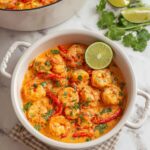
Delicious Recipe
- Prep Time: 15 minutes
- Cook Time: 30 minutes
- Total Time: 45 minutes
- Yield: 4 servings 1x
- Category: Main Course
- Method: Stovetop
- Cuisine: Thai
Description
A flavorful and comforting Shrimp Curry Bowl featuring a rich coconut curry sauce, tender shrimp, stir-fried vegetables, and noodles, perfect for a quick and balanced dinner.
Ingredients
Coconut Curry Sauce:
- 1 tablespoon avocado oil or olive oil
- ½ medium yellow onion, finely diced
- 1 tablespoon fresh ginger, minced
- 2 tablespoons red curry paste (recommend: Thai Kitchen brand)
- 1 (14-ounce) can unsweetened coconut milk (recommend: Goya or Thai Kitchen brands)
- 1 ½ tablespoons sugar (substitute: coconut sugar)
- 1 teaspoon Sriracha sauce, plus more to taste
- 1 ½ teaspoons fish sauce
- 2 tablespoons soy sauce (substitute: coconut aminos or gluten-free soy sauce)
- 1 tablespoon fresh lime juice (about half of a fresh lime)
Shrimp Bowls:
- 8 ounces (½ pound) ramen noodles, soba noodles, or whole wheat angel hair pasta
- 2 tablespoons olive or avocado oil, divided
- 1 pound peeled, deveined, raw shrimp (31/40 count recommended; thawed)
- Salt and pepper to taste
- 16-ounce bag of frozen stir-fry vegetables (or 3 cups fresh chopped vegetables like carrots, broccoli, sugar snap peas)
- 1 cup shredded purple cabbage, for serving
- Chopped peanuts, for serving
- Lime wedges, for serving
Instructions
- Prepare the Sauce: Heat 1 tablespoon oil in a 2-quart saucepan over medium-high heat. Add diced onion and minced ginger, stir-frying for 3-4 minutes until softened. Stir in 2 tablespoons red curry paste and cook for 1 minute. Add coconut milk, sugar, Sriracha sauce, fish sauce, and soy sauce. Simmer gently for 20 minutes to reduce and slightly thicken. Stir in fresh lime juice and adjust seasoning with more Sriracha or salt if desired.
- Cook the Noodles: Bring a pot of water to a boil and cook noodles according to package instructions. Drain and toss with a little oil to prevent sticking. Set aside.
- Cook the Shrimp: Heat 1 tablespoon oil in a large skillet over medium-high heat. Pat shrimp dry and season with salt and pepper. Stir-fry shrimp for 2-3 minutes until pink and cooked through. Transfer shrimp to a plate and set aside.
- Cook the Vegetables: Using the same skillet, add remaining 1 tablespoon oil. Add frozen or fresh vegetables and stir-fry for 5-7 minutes until crisp-tender. If fresh vegetables brown too quickly before cooking through, add a splash of water and cover to steam until done. Remove from heat.
- Assemble the Bowls: Divide noodles, vegetables, and shrimp between bowls. Ladle warm coconut curry sauce over the bowls. Top with shredded purple cabbage, chopped peanuts, and lime wedges for garnish. Serve immediately.
- Freezing Option: After making the coconut curry sauce, let it cool and freeze in a container or bag alongside frozen shrimp and vegetables for future meal kits. Thaw sauce and shrimp in the refrigerator before cooking, keeping vegetables frozen. Prepare noodles fresh and assemble as instructed.
Notes
- Double the sauce recipe and freeze with extra shrimp and vegetables to create convenient meal kits for later use.
- For a gluten-free version, substitute soy sauce with coconut aminos or gluten-free Tamari soy sauce and use gluten-free noodles like Banza brand spaghetti or angel hair pasta.
- Only fresh ginger or ginger paste works well in this recipe; avoid dried ginger for best flavor.
- Wrap and freeze any extra fresh ginger to preserve it for future cooking.
Nutrition
- Serving Size: 1 serving
- Calories: 617 kcal
- Sugar: 10.8 g
- Sodium: 690 mg
- Fat: 26.3 g
- Saturated Fat: 14 g
- Unsaturated Fat: 12.3 g
- Trans Fat: 0 g
- Carbohydrates: 65.7 g
- Fiber: 10.1 g
- Protein: 35.7 g
- Cholesterol: 183 mg

Leave a Reply